
Gambling, a practice as old as time, often stirs a blend of excitement, anticipation, and intrigue. At the heart of this enigmatic activity lies a rich tapestry of psychological elements that beckon a closer look. In this comprehensive exploration, we delve into the fascinating world of gambling psychology to unearth the motivations, emotional dynamics, and cognitive processes that fuel this enduring pastime.
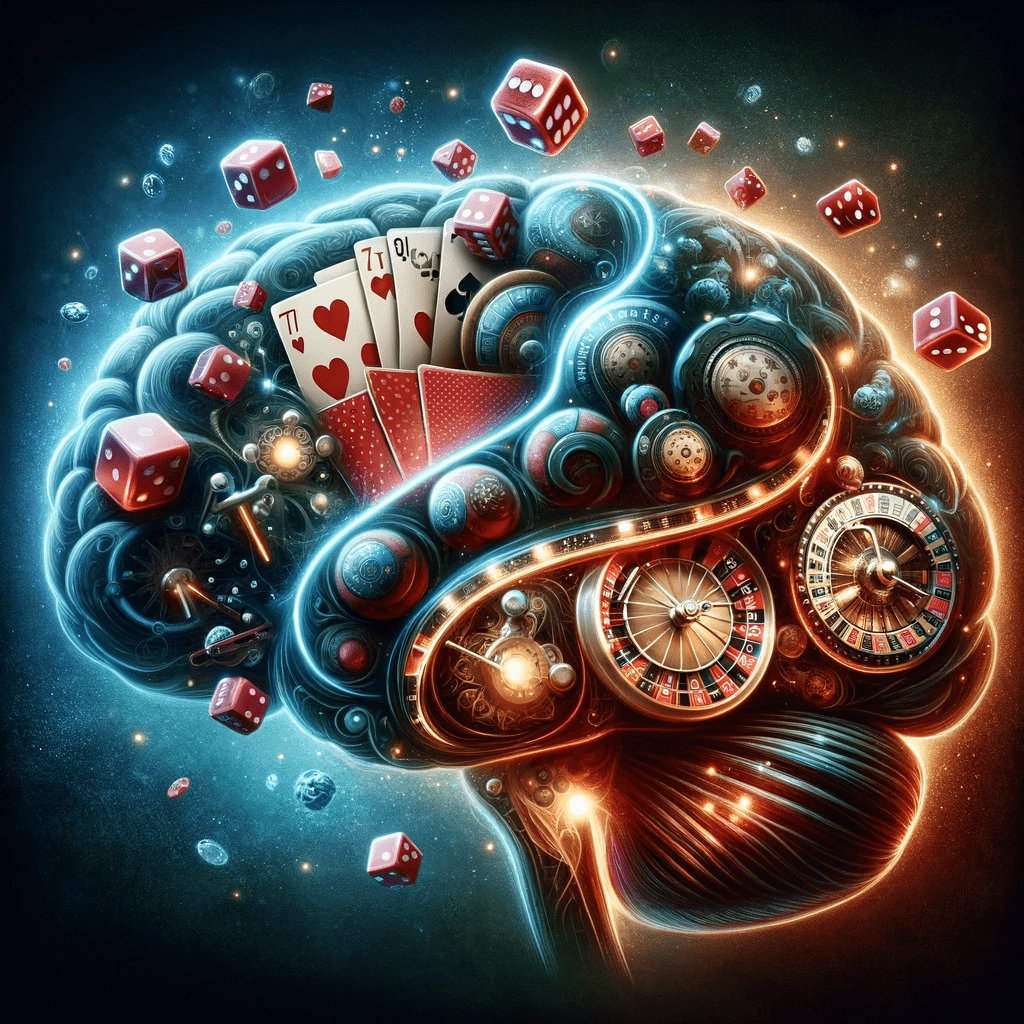
Understanding the Gambler’s Motivation
At its core, gambling taps into the fundamental human desire for excitement and risk-taking. The unpredictable nature of gambling, with its highs and lows, triggers a rush of adrenaline and dopamine, creating a cocktail of sensations that can be both exhilarating and, at times, overwhelming. This biochemical reaction not only heightens the sensory experience but also contributes to the allure and addictive potential of gambling.
The Thrill of the Win: Emotional Highs and the Reward System
One cannot discuss gambling psychology without highlighting the thrill of winning. The prospect of a win, however insignificant, ignites a sense of achievement and success. This winning sensation activates the brain’s reward system, fostering a feeling of happiness and contentment. However, this is often fleeting, leading gamblers to chase after more wins to recreate these euphoric moments, a cycle that can spiral into problematic behavior.
Strategic Thinking and the Illusion of Control
Gambling also engages the brain’s strategic thinking areas. For many, the challenge lies in outsmarting the odds or mastering a game of skill. This engagement in complex decision-making and problem-solving can be intellectually stimulating and gratifying. Furthermore, it fosters an illusion of control, where gamblers believe their skills or strategies significantly influence the outcome, often overlooking the role of chance and probability.
Social Dynamics in Gambling
The social aspect of gambling is another crucial component. Whether it’s a bustling casino floor or an online gaming community, gambling often occurs in a social context. This communal aspect can enhance the enjoyment of gambling, providing a sense of belonging and camaraderie among participants. For some, the social interaction is as vital as the gambling activity itself.
Risk vs. Reward: The Balancing Act
Understanding the delicate balance between risk and reward is fundamental in gambling psychology. Gamblers often weigh the potential gains against the risks involved. This risk assessment, consciously or subconsciously, dictates their willingness to place bets and their overall engagement with gambling activities.
Coping Mechanism and Escapism
For many, gambling serves as a coping mechanism or a form of escapism. The immersive nature of gambling can provide a temporary reprieve from everyday stressors or personal challenges, offering an alternate reality where these issues can be momentarily shelved.
The Dark Side: Addiction and Problem Gambling
However, the psychological allure of gambling can have a darker side, leading to addiction and problem gambling. The constant pursuit of the thrill, the illusion of control, and the social aspects can create a dependency that disrupts personal, financial, and professional lives.
Conclusion: A Complex Psychological Mosaic
In conclusion, the psychology of gambling is a complex and multifaceted phenomenon. It intertwines emotional excitement, cognitive strategies, social interactions, and the innate human propensity for risk-taking. Understanding these psychological underpinnings not only provides insight into why people gamble but also highlights the importance of responsible gambling practices and the need for awareness around the potential for addiction.
This intricate psychological tapestry illustrates that gambling is more than just a game of chance; it’s a nuanced human behavior deeply rooted in our psychology, offering both enjoyment and cautionary tales.